




Stinger Season Cairns 2025-26: Complete Safety Guide
Stinger Season Safety Guide
We're in peak stinger season right now. Box jellyfish and irukandji are active in coastal waters around Cairns, Port Douglas, and Far North Queensland until May 31, 2026. After 25 years helping divers navigate these conditions, here's what you need to know.
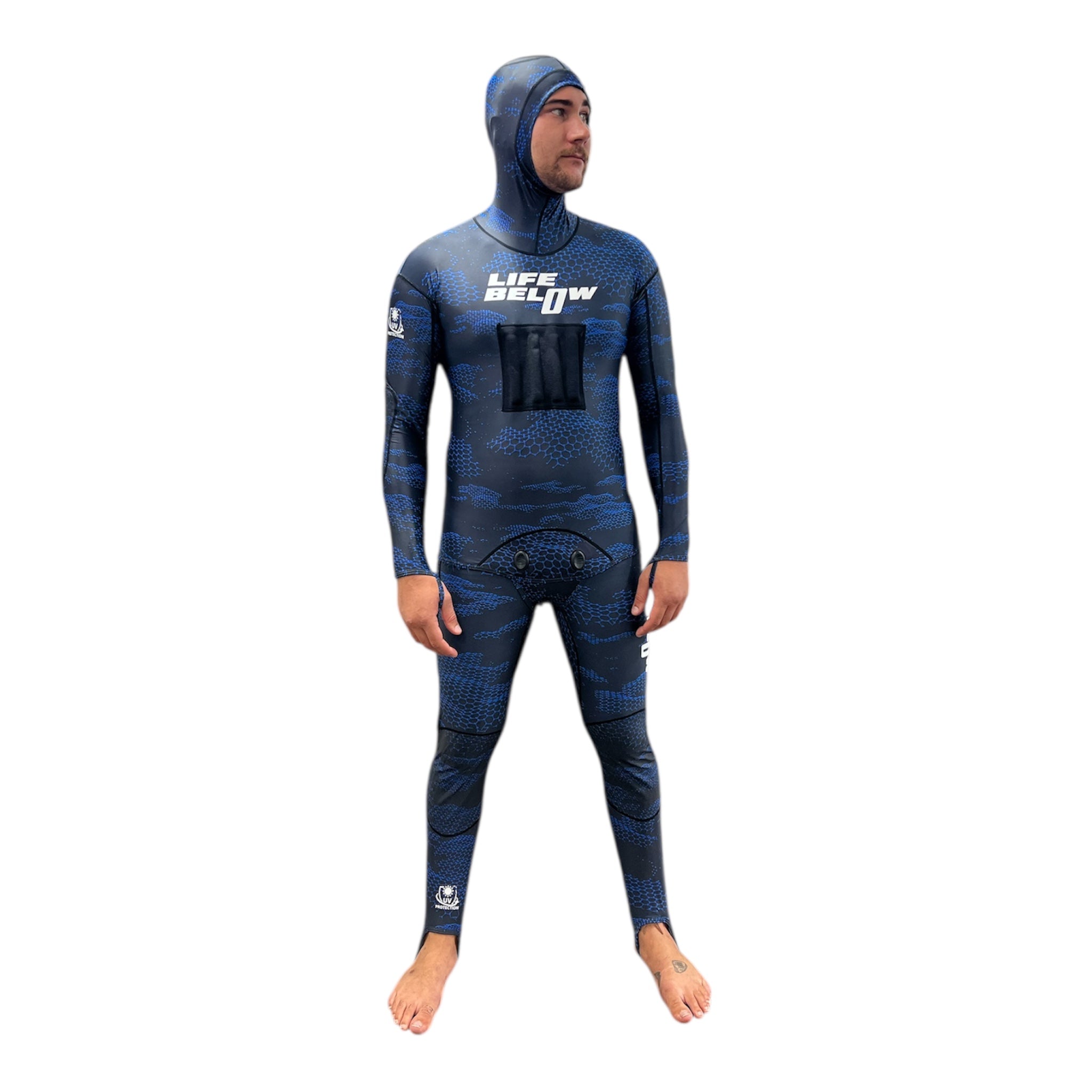
Stinger Season 2025-2026 Dates
Season: November 1, 2025 - May 31, 2026
Peak danger: December - February (we're in it NOW)
Duration: 7 months
Warmer water temperatures and monsoonal conditions bring box jellyfish and irukandji closer to shore. Outer reefs remain safe year-round. Coastal and inshore waters need full protection.
Box Jellyfish vs Irukandji
Box Jellyfish
The larger threat. Tentacles up to 3 metres long. Found in shallow, murky water near river mouths and protected bays. Stings are extremely painful and potentially life-threatening. Good news: they're visible and a stinger suit provides excellent protection.
Irukandji
Thumbnail-sized and nearly invisible. Their sting causes delayed symptoms (5-40 minutes) that can be severe. Less common on established dive sites with good water movement. Harder to spot but less frequently encountered than box jellyfish.
Where to Dive During Stinger Season
SAFE: Outer Reef Sites
- Agincourt Reef - Strong currents, deep water, minimal stinger risk
- Ribbon Reefs - Open ocean, excellent visibility
- Flynn Reef - Outer reef location, consistent water movement
- Michaelmas Cay - Open water, toured daily with safety protocols
CAUTION: Inshore Sites (Suit Up)
- Green Island - Protected waters, stinger suit essential
- Fitzroy Island - Some sheltered bays, check conditions
- Palm Cove - Coastal, stinger nets help but suit up anyway
- Trinity Beach - Shallow water, protection essential
AVOID
- River mouths and estuaries (highest concentration)
- Sheltered bays without water movement
- Beaches without stinger nets
- Murky water near mangroves
Essential Stinger Protection Gear
1. Full-Body Stinger Suits
Not just a wetsuit - these are lycra suits designed specifically for jellyfish protection. They're lightweight, quick-drying, and comfortable in 27-29°C water.
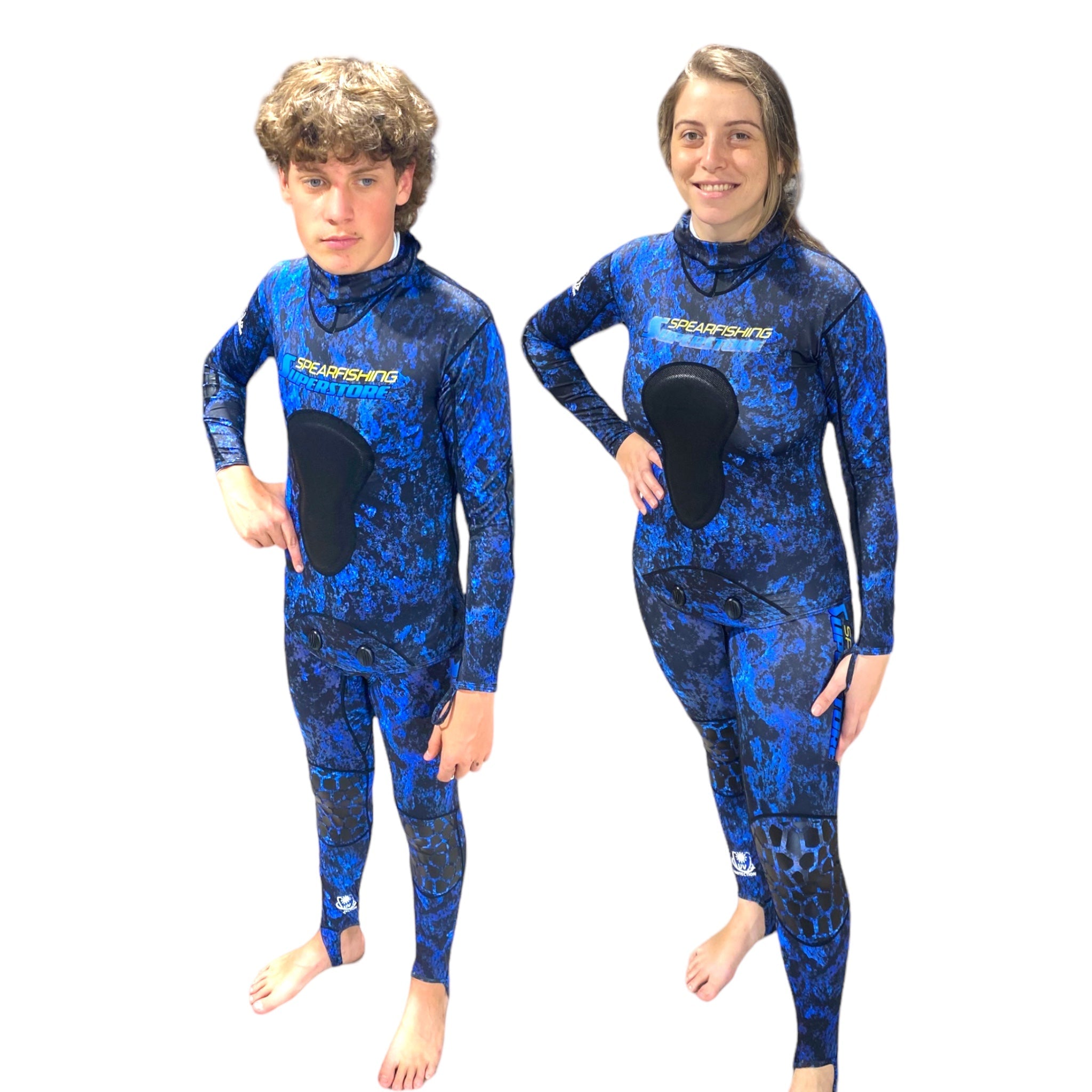
What to look for:
- Full coverage (wrists to ankles, high neck)
- Lycra or nylon material (not neoprene in warm water)
- Snug fit (gaps defeat the purpose)
- UV protection (bonus for tropical sun)
2. Gloves & Hoods
Your hands and head are exposed with just a suit. Complete protection needs:
- Dive gloves (lycra or thin neoprene)
- Dive hood (covers head, neck, ears)
3. Footwear
Don't leave your feet exposed. Box jellyfish are often in shallow entry/exit zones where you're wading.
- Dive boots (full coverage over suit ankles)
- Reef shoes (for beach entries)
Stinger First Aid
If stung:
- Get out of water immediately
- Call 000 - don't wait to see if symptoms develop
- Pour vinegar over sting area (30 seconds minimum)
- Do NOT remove tentacles with bare hands
- Do NOT rinse with fresh water (worsens sting)
- Do NOT apply ice directly
Watch for:
- Immediate intense pain (box jellyfish)
- Delayed symptoms 5-40 minutes (irukandji)
- Nausea, sweating, agitation
- Difficulty breathing
- Chest or abdominal pain
Quick response and professional medical attention are critical. Don't "wait and see."
Stinger Suits vs Wetsuits
Stinger Suits (Lycra):
- Designed for jellyfish protection
- Lightweight, comfortable in 27-29°C water
- Quick-drying (practical for humid season)
- UV protective
- Best for: Stinger season coastal/inshore diving
Wetsuits (Neoprene):
- Designed for thermal protection
- 2-3mm typical for FNQ
- Slower drying
- Can be too warm Dec-Feb
- Best for: Year-round outer reef, cooler months
Not sure which? Ask us or visit our Westcourt store for advice.
FAQs
Can I dive the Great Barrier Reef during stinger season?
Yes. Outer reef sites remain safe year-round. Strong currents and open ocean conditions mean stingers are rarely encountered. Most Cairns operators run daily trips throughout wet season.
Do I need a stinger suit for outer reef diving?
Not essential, but many divers wear them for peace of mind and UV protection. Operators will advise based on specific sites.
When is the highest risk?
December through February. We're in peak danger right now (January 2026).
Are stinger nets effective?
They help but aren't 100% effective, especially against tiny irukandji. Protective gear remains important even at netted beaches.
Get Your Stinger Protection Gear
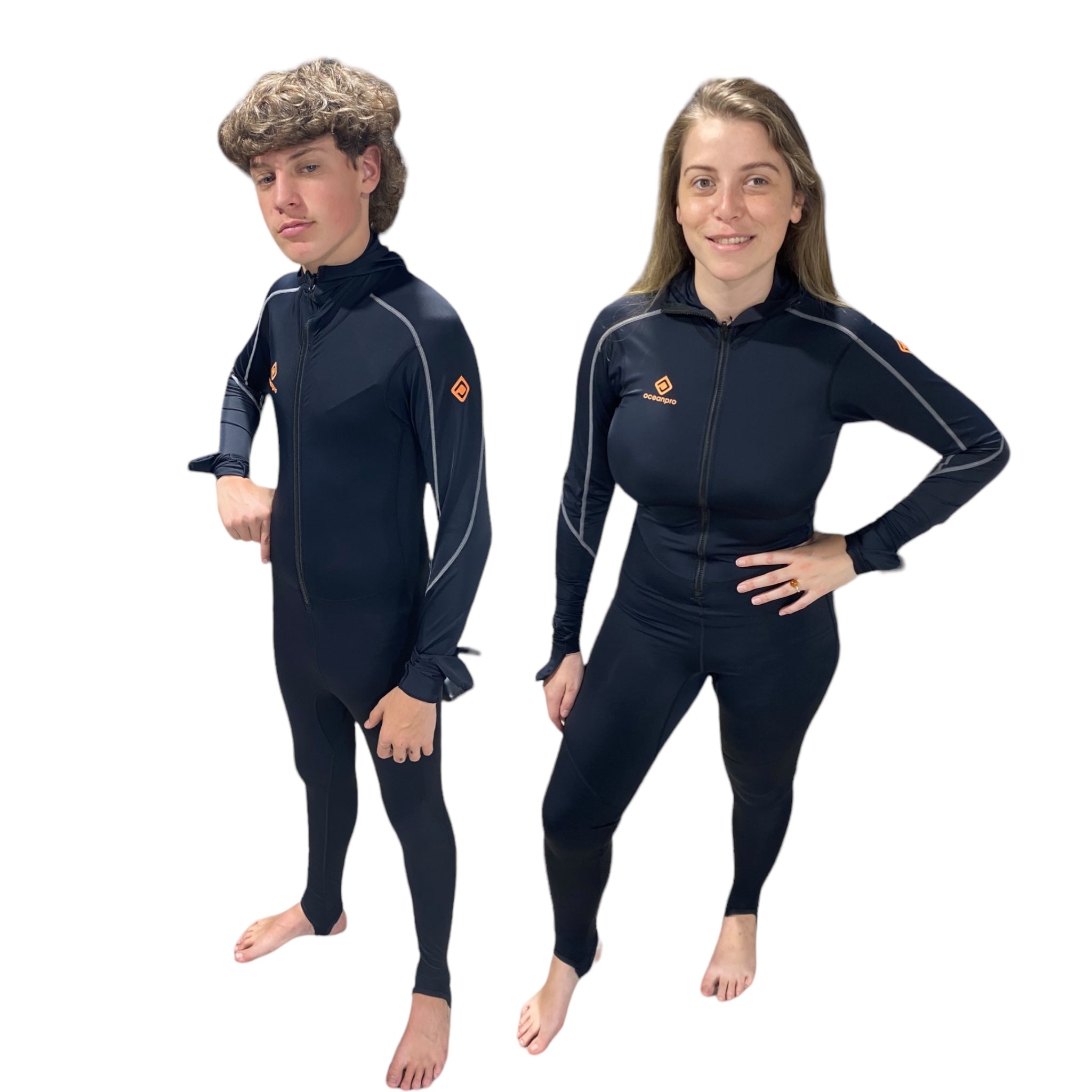
Browse our range:
Need sizing help? Proper fit is critical - gaps defeat protection. Check our size guide, visit our Westcourt store, or call (07) 4036 2080.
25 Years of Stinger Season Experience
Formerly Spearfishing Superstore, we've been helping Cairns divers stay safe through wet season since 1999. We know which stinger suits hold up in tropical humidity, how to size protection gear properly, and what works for different dive sites.
Check out our diving glossary for more terms, or our dive store page for the full gear range.
Stay Safe This Season
Key points:
- Outer reef diving remains safe year-round
- Coastal/inshore sites need full stinger protection
- Peak danger: December - February (NOW)
- Proper-fitting gear is essential (no gaps)
- Work with operators who know the conditions
Ocean Universal
Shop 1/310 Mulgrave Road, Westcourt, Cairns QLD 4870
Phone: (07) 4036 2080
Hours: Mon-Fri 9am-5pm, Sat 9am-3pm
Formerly Spearfishing Superstore. Built for Divers, BY DIVERS.